How Does Dye Sublimation Printing Work?
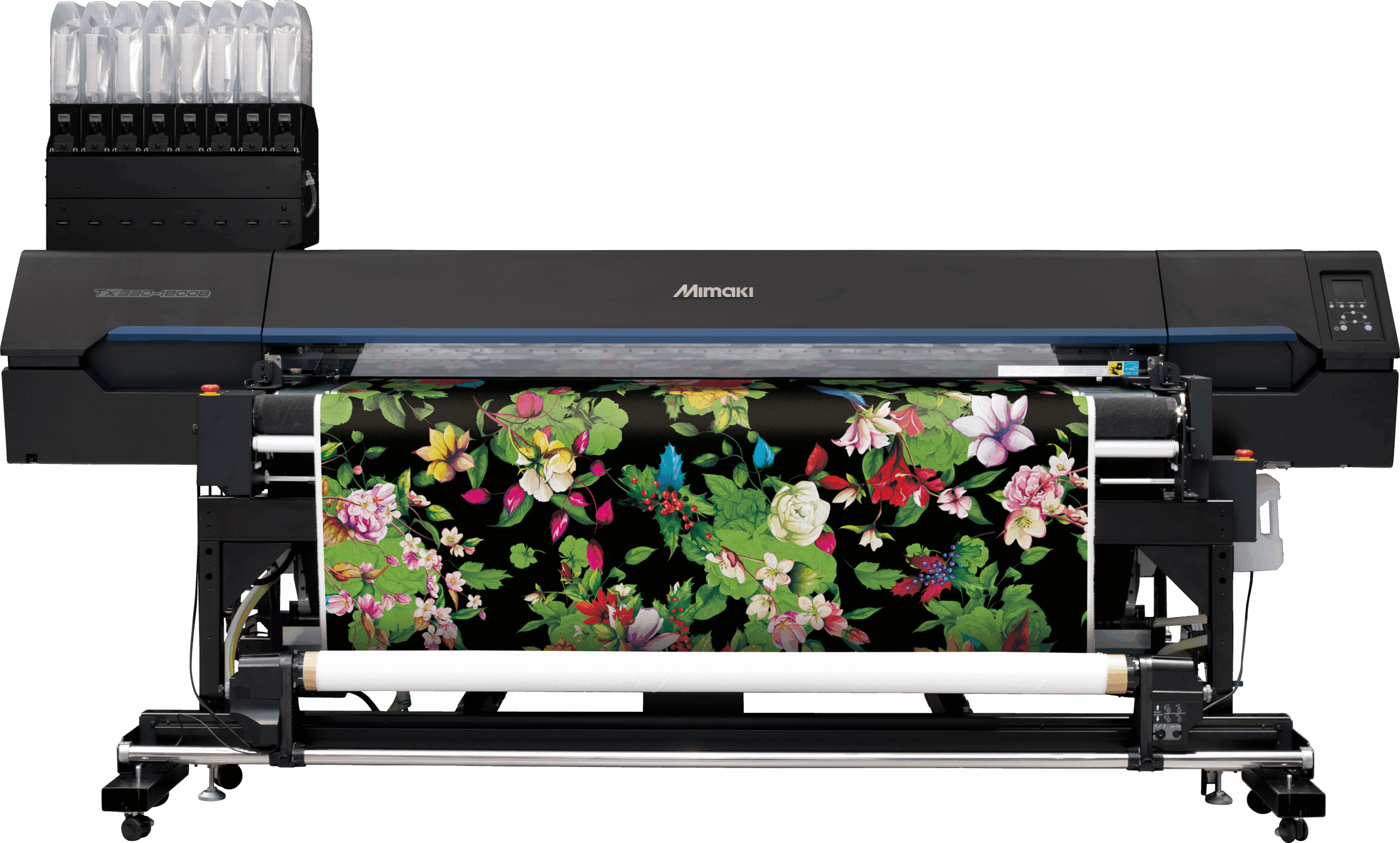
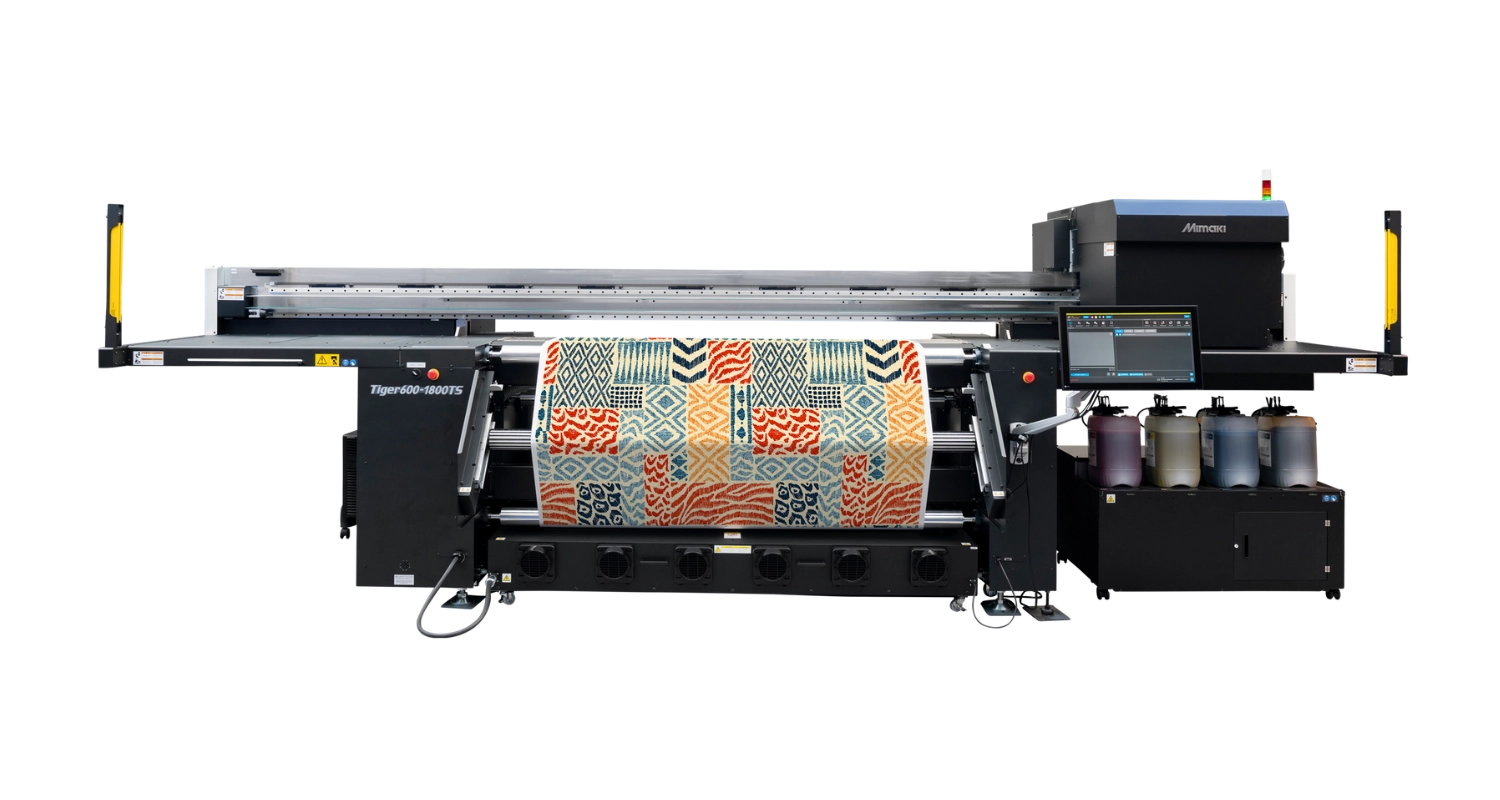
- Dye Transfer: The dye is printed onto a transfer paper.
- Heat Application: The transfer paper is placed on the substrate, and heat is applied to the material.
- Dye Sublimation: The heat causes the dye to sublimate, turning it into a gas.
- Dye Penetration: The gaseous dye penetrates the substrate’s fibres.
- Dye Bonding: The dye bonds with the substrate, creating a permanent, high-quality print.
Key Benefits of Dye Sublimation Printing
- Vibrant Colours: Produces incredibly vivid and saturated colours.
- Wide Colour Gamut: Offers a wider colour range than many other printing methods.
- High Image Quality: Creates high-resolution, detailed prints.
- Durability: Produces prints that are resistant to fading and water damage.
- Versatility: Can print on a variety of materials, including polyester, ceramic, and metal.
Common Applications of Dye Sublimation Printing
- Textiles: Printing on fabrics for apparel, home decor, and promotional items.
- Photography: Creating high-quality photo prints and enlargements.
- Mugs and Bottles: Printing on ceramic mugs, bottles, and other promotional items.
- Signs and Displays: Producing banners, posters, and point-of-sale displays.
- Industrial Applications: Printing on various industrial materials for labelling and marking.
Advantages Over Other Printing Methods
- Colour Accuracy: Offers superior colour accuracy and consistency.
- No Ink Drying: Eliminates the need for drying time.
- Wide Range of Substrates: Can print on a variety of materials.
- High Durability: Produces prints that are resistant to fading and water damage.
Dye sublimation printing is a versatile and high-quality printing method that is ideal for applications requiring vibrant colours, detailed images, and durable prints.