Most print shops rely on traditional signage for their regular revenue. You could argue that many have an over-reliance. So what’s the best way to diversify and futureproof your print business? In this blog post, we explore how applying existing signage printing expertise to wall and floor coverings can help printers broaden their offering.

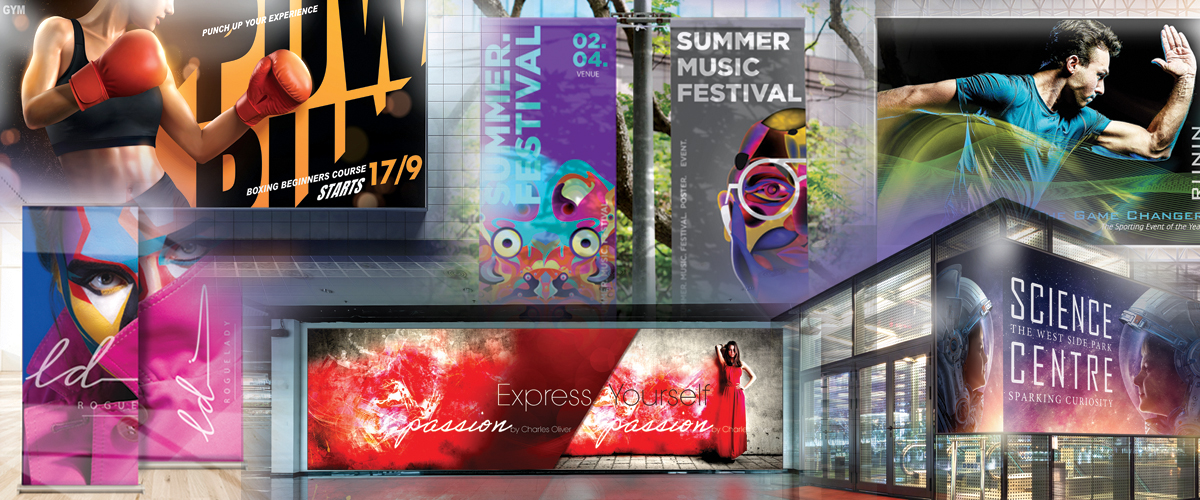
Signage is the print shop staple. It has been for decades. But there’s a problem with relying too heavily on shopfront graphics, banners and vehicle wraps for your print shop income. Because if signage is all you do, you can start to feel pretty exposed when demand shifts, budgets tighten or competition increases.
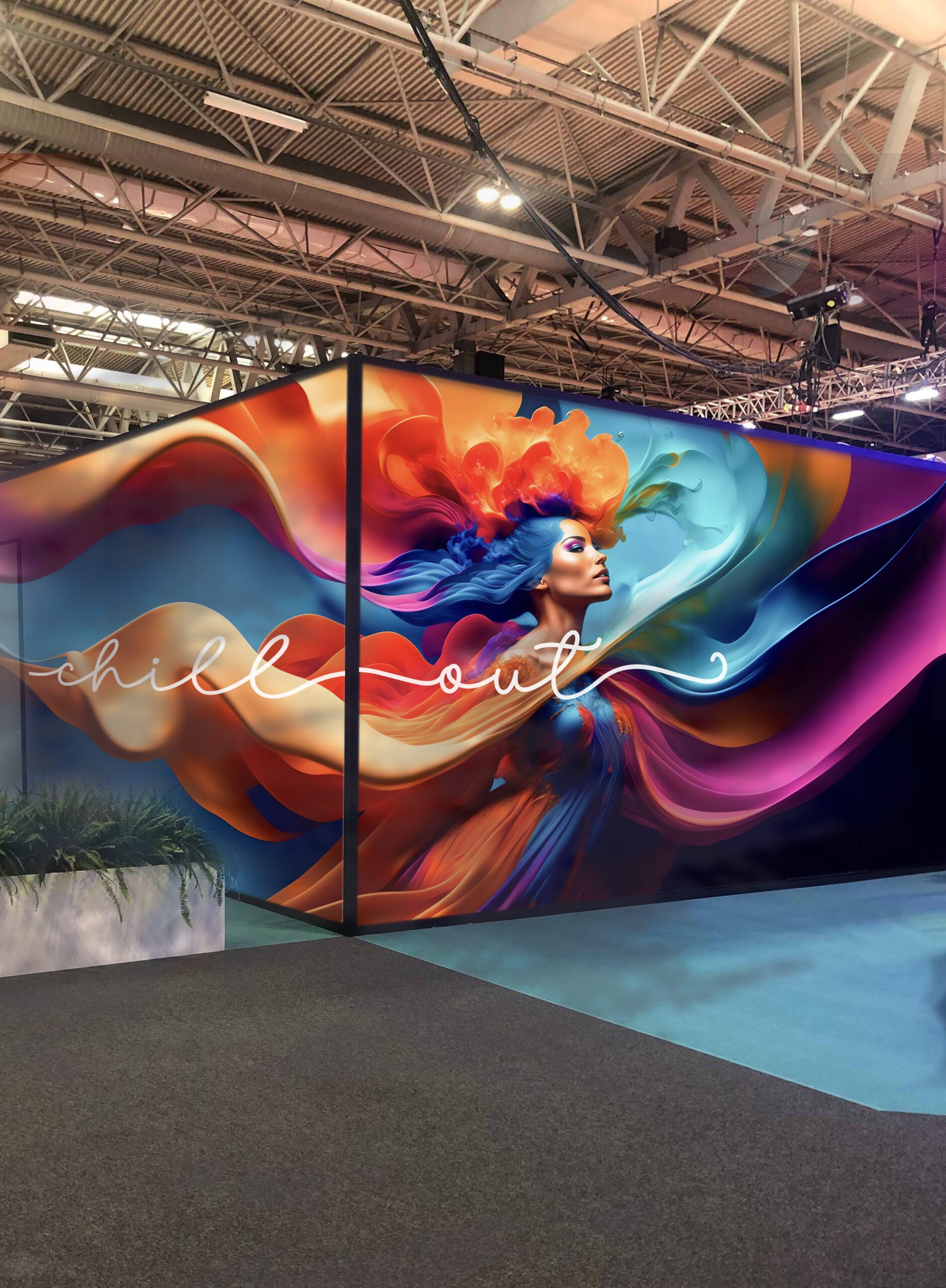
One way to broaden your offering is to take the production skills you already have and apply them to a different product range. Large-format wall and floor coverings, for example, can transform offices, retail spaces, hospitality venues, schools and healthcare environments. And by adding interior décor to your print shop’s offerings, you can add a powerful (and lucrative) new string to your bow.
Here are five essential steps to expanding your print business into interior décor.

1. Use the skills you already have
The real appeal of diversifying into décor is that you already have lots of the skills required to make it a success, so you don’t need to learn an entirely new way of working. Producing impactful, durable images? Check. Colour management? Check. Substrate choice, artwork preparation, finishing and the practicalities of getting the most from your large-format printer? Check, check, check and check.
All those skills translate naturally to wallcoverings, murals, window films and floor graphics.
What’s different is the way you plan the work and install it. A wall mural might need the sort of careful measurement, panel planning and attention to seams that your ‘bread and butter’ work may not (or, at least, not quite to the same extent).
Floor graphics might have you thinking about foot traffic resilience in a way you’d rarely do for general retail or expo signage. Customers might need advice on cleaning, durability and removal, so there might be a bit of additional product knowledge and aftercare to learn. Beyond that, though, the skills and experience you already have will give you a valuable headstart.
2. Expand your customer base
Diversifying into large-format interior graphics isn’t just an exercise in selling more to your existing clients; it’s an opportunity to broaden your customer base too – an important factor in helping to futureproof your business.
Tapping into that broader customer base starts with understanding what extra issues and problems your interior graphics can solve. Like your existing signage offering, wide format décor print can reinforce a brand, highlight promotions or guide shoppers.
But it can also create an atmosphere or mood. It can take customers on a journey. It can connect parts of a building. For example:
- Health and education: Large-format interior graphics can create calm spaces, spaces that engage, or spaces that are easier to navigate.
- Hospitality businesses can use murals and decorative panels to create atmosphere and enhance mood. From the spa to the restaurant to individual rooms, the décor can transform the experience, and help weave the ambience and brand of a venue through every space.
- Retailers can use them to reinforce a brand, highlight promotions or guide shoppers through a store.
- Offices can use large-format wall and floor coverings to bring identity to meeting rooms, welcome areas and shared spaces.
Better still, there’s an opportunity to build a connected offering that carries design themes from traditional signage, banners and POS (of the sort you might always have offered), to large-format print for walls, glass panels and floors.
Start with the customers you already know. Ask existing signage clients whether they have plans to refresh their interiors. Show them how their brand could carry through from exterior signs to the spaces their staff, customers and visitors use every day.
3. Ask the right questions
The shift to wide-format interior design printing will mean adapting the way you scope and price jobs. Remember to ask about the surface, dimensions, location, expected lifespan and how the area will be used.
Not only will these details affect your material choice and how you produce and install; they’ll help avoid surprises once the job is underway and ensure the customer gets the visual impact and durability they need.
4. Tailor the products to your printers
There’s a wide range of interior products you could launch, but you don’t need to launch them all at once. Wall murals and wallcoverings may be a straightforward first step, for example, compared with floor graphics or specialist finishes that may take more research, different materials or upgraded equipment.
So start with the offerings that fit your skills, demand and, crucially, the capabilities of your existing printers.
Then, as the new, expanded part of the business grows, you may find yourself needing higher-volume, higher precision, larger format, 24/7-operation capability.
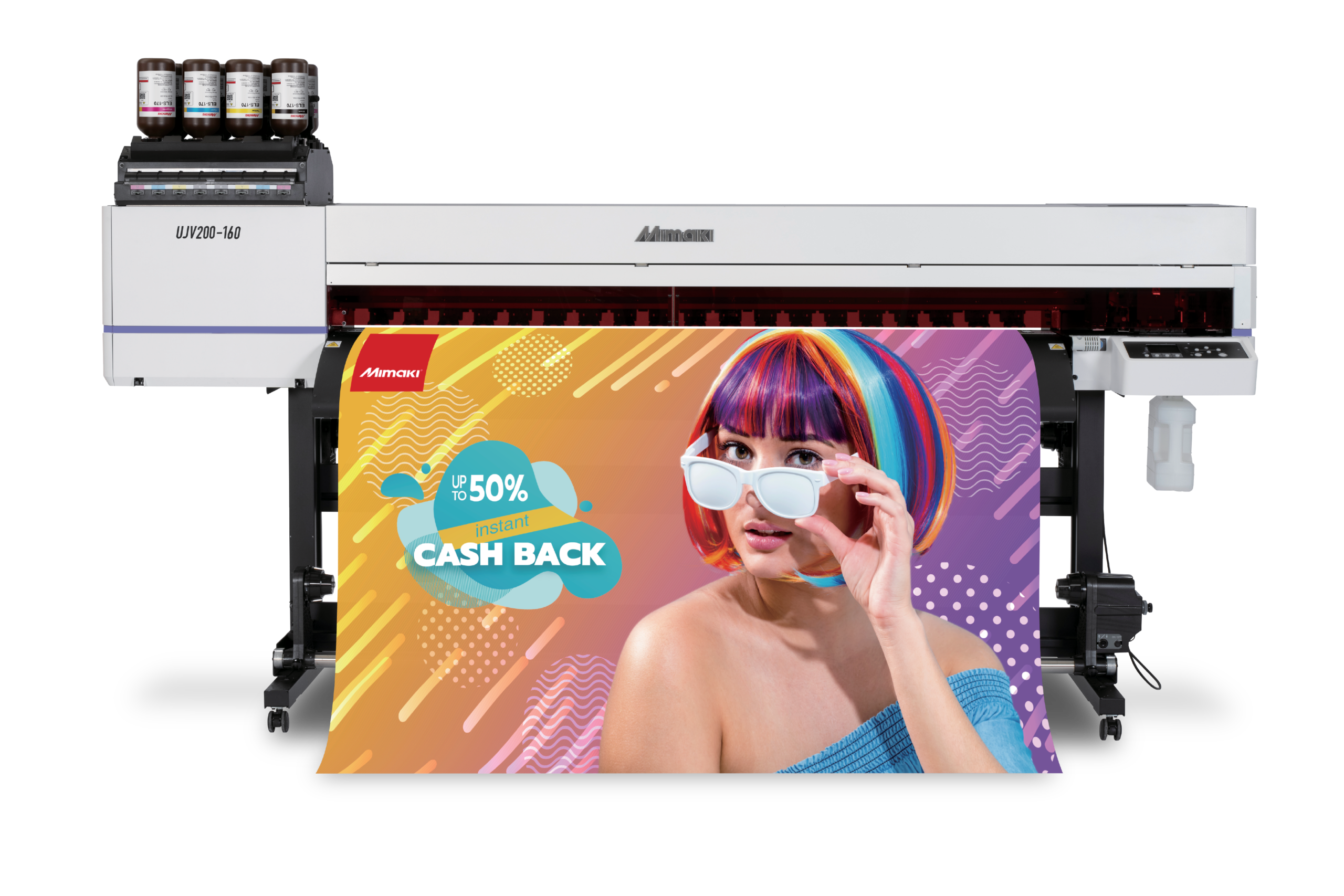
Soyang’s range of Platinum Technologies printers offers peerless quality and precision across wall coverings, decorative laminates and even tile-to-tile colour matching. So however adventurous your projects become – in terms of scale, volume or technical challenge – you’ll always be able to cope.
Explore the Platinum printer range
5. Protect your margins
Your new products will bring new revenue, but only if they’re priced properly. Much of the project development process (design preparation, proofs, material, finishing, installation and site visits) should already be factored into your ways of working, but some (most obviously installation) will require more time and attention than your regular signage work.
Do make sure you track each stage of your projects and use learnings to refine your pricing model.
Talk to Soyang
Want to explore the large-format printers and materials that can help you enter the interior décor market? Talk to us