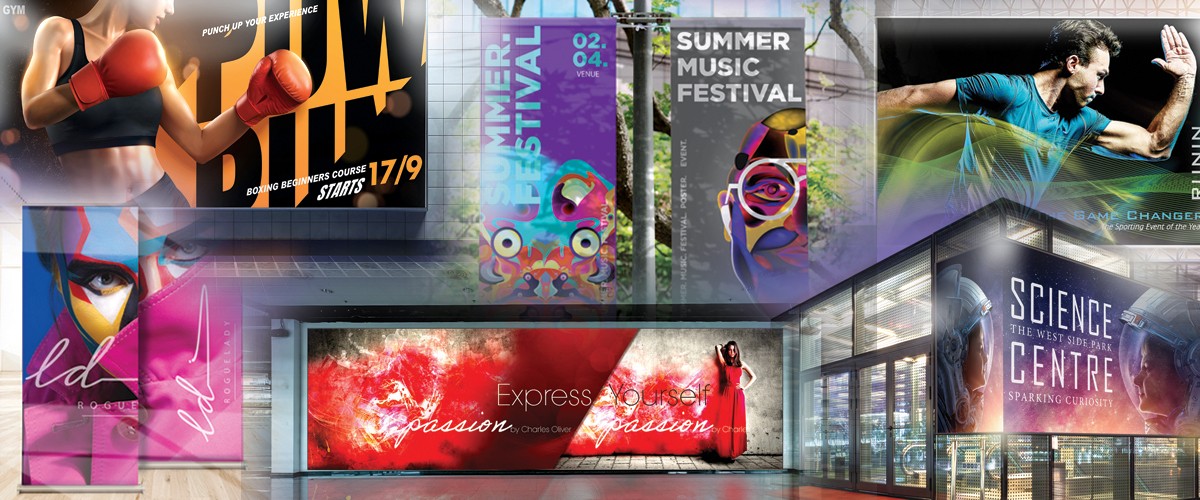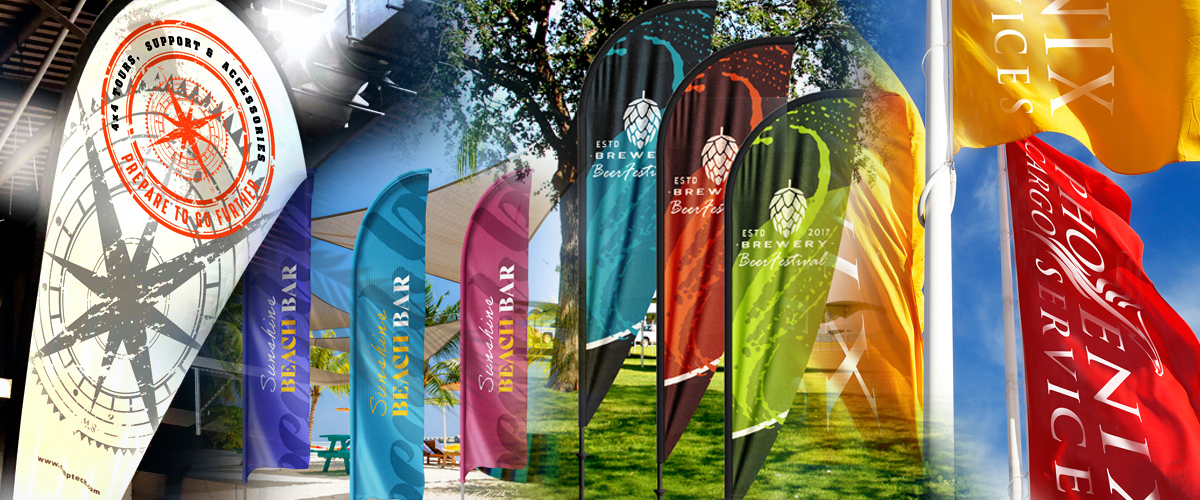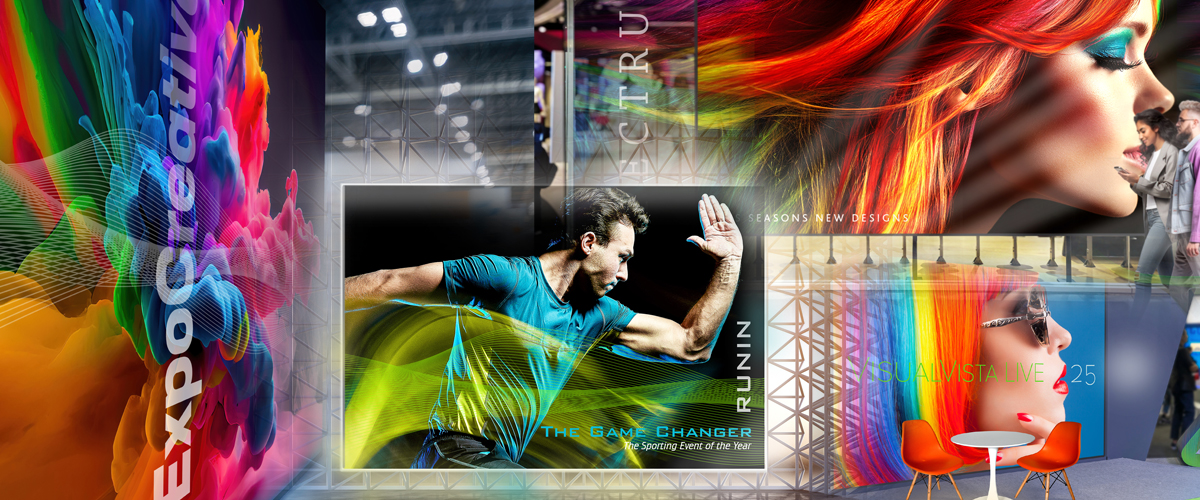

If you want to deliver real impact in your retail display marketing, textile media is the way to go. But which textile media?
The ideal choice will change depending on whether you’re dealing with a window display, a lightbox, point of sale or hanging banners (the application) and where that application will sit (the environment). So in this post, we’ll explore the main performance factors that can help every printer choose the most suitable option.

If you wandered into a retail store in the 1980s, you’d see a very different sort of retail display. Cardboard and paper ruled. PVC and plastic were common. But textile? The printing technology just didn’t exist to achieve quality results that lasted.
Today, soft signage is the retail choice, delivering premium marketing power via modern dye sublimation and UV printing techniques, while also offering longevity, eye-popping visuals and installation simplicity.
Also, it doesn’t hurt that modern textile media are lightweight, foldable and crease resistant, meaning marketers can pack an entire pop-up display in a small bag, rather than needing a van to cart a rigid display around.
But while soft signage delivers lots of benefits, it’s important to match the right textile media to the right application. Here’s how.

1. Textile choice
Your choice of textile substrate has a big impact on the overall appearance of a retail display. Beyond the capabilities of the printer and inks you choose, a textile’s construction and surface finish will influence colour vibrancy, image sharpness and the level of detail you can achieve.
Display polyester is the versatile, all-round option for retail graphics. Its vibrant colour reproduction and smooth surface support crisp, detailed prints.
Stretch fabrics are the obvious choice for tension frame systems, where the material is stretched taut across the frame to create a seamless finish. Rich, vibrant colours create a real premium feel (as long as you’ve correctly tensioned the fabric). Just keep them away from high contact areas as they’re prone to over-stretching or bruising when people can touch them or bump into them.
Blockout (aka blackout or black back) fabrics have an opaque layer that prevents show-through, making them an excellent choice for double-sided graphics or displays where you need to minimise light transmission. This helps colours stay consistent from display to display, with graphics clearly visible from either side. Naturally, this isn’t the choice for a lightbox.
2. Light performance
Lighting plays a crucial role in how people perceive retail graphics. A textile that performs well in one lighting environment may produce underwhelming results in another (a double-sided display that looks fabulous in the expo hall, for example, may look messy and cluttered in sunlight, for example, where the reverse bleeds through to the front without a blackout layer to stop it), so it’s essential to consider the two in tandem.
Front-lit displays need a textile that offers an even surface, accurate colour reproduction and low glare. These characteristics help ensure branding and promotional messages remain clear and visually appealing under standard retail lighting. Display polyester is a good choice here.
Explore our front lit display fabrics
Backlit displays (e.g. lightboxes) require fabrics specifically designed to diffuse light evenly – that is, the fabric helps to spread the light across its surface, rather than limiting it to a couple of bright spots.
Blockout fabrics are the right choice for applications where graphics are printed on both sides or where you need to prevent light transmission. The opaque middle layer stops images showing through from the reverse side and helps conceal supporting structures, making it perfect for suspended banners and double-sided retail displays.
We’ve even got a recycled black back fabric for added environmental friendliness.
3. Installation ease
It’s easy to overlook the importance of installation. Your textile media may deliver all the visual impact you could want, but if it’s a pain to handle and doesn’t suit the display system then it won’t be up to the job.
Lightweight display polyesters are easy to transport, fold and ship, which can help save a small fortune in logistics costs compared with rigid media. They recover well from creasing and are a good choice for a range of simple hanging systems.
Blockout textiles and other heavier fabric media offer increased durability and stability, making them a good choice for long-term installations or displays that will be handled regularly. Bear in mind that additional weight may require a more robust fixing system, though, and that can make installation and transportation slightly more demanding.
How to choose the right textile media
Lots of options, then, and choosing the right one for your application really comes down to asking the following questions:
- Where will the graphic be displayed?
- Will it be front lit or backlit?
- How long will it remain installed?
- Will it be reused?
- Is premium appearance the priority?
Depending on your answers, you’ll find pointers to the right display fabric above, or just get in touch.
Talk to Soyang
Want to find the right display textile for your project? Talk to us