
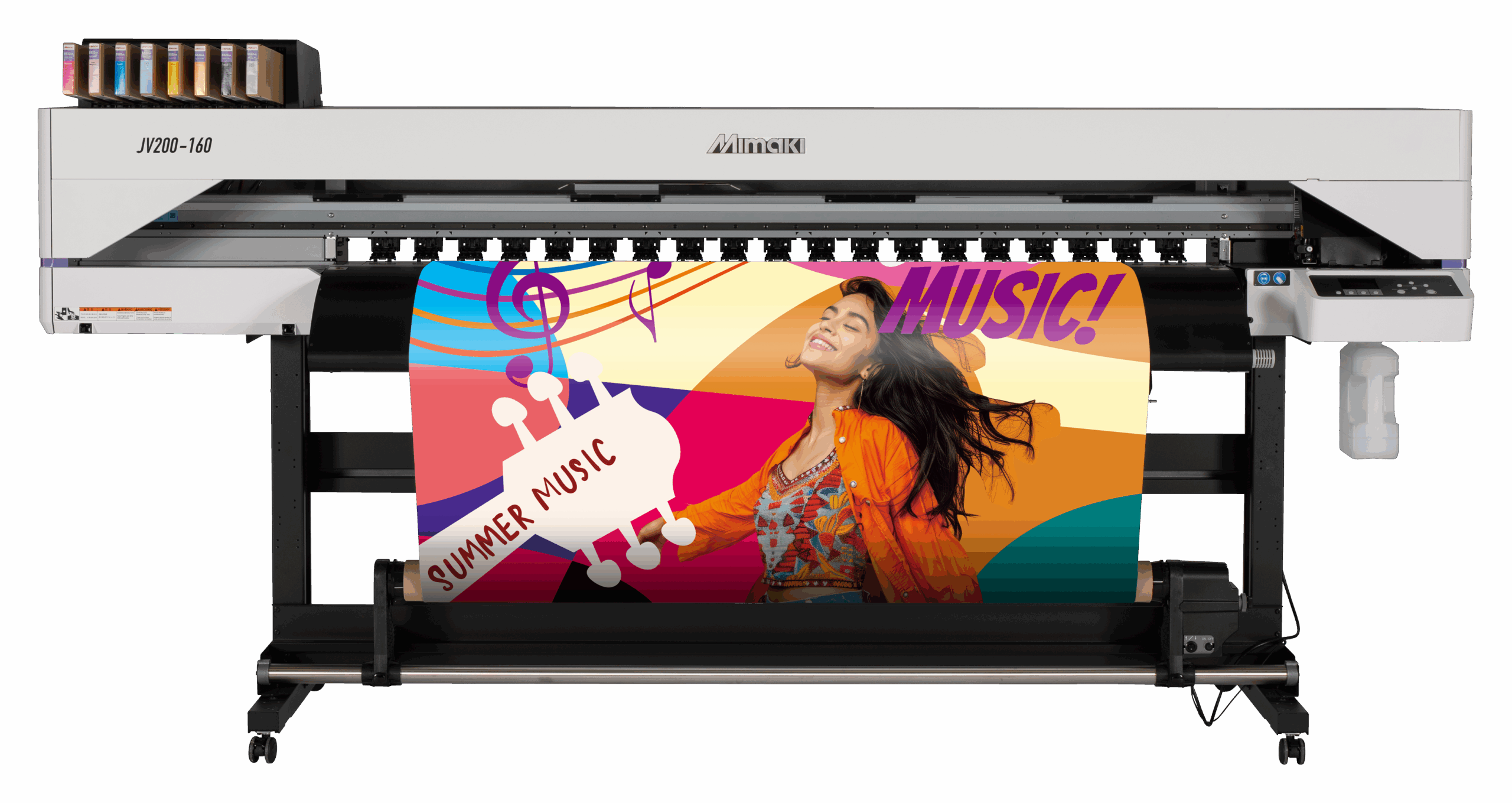
How Does Eco-Solvent Printing Work?
- Ink Application: The eco-solvent ink is applied to the substrate using piezoelectric printheads.
- Drying: The ink is heated to accelerate the drying process, reducing the drying time compared to traditional solvent-based inks.
- Curing: While the ink is drying, it undergoes a curing process, which helps to solidify the print and improve its durability.
Key Benefits of Eco-Solvent Printing
- Environmental Friendliness: Reduced VOC emissions and a smaller environmental footprint.
- Versatility: Can print on a wide range of materials, including vinyl, canvas, and polyester.
- Durability: Produces prints with excellent durability and resistance to fading.
- High Quality: Offers high-resolution, vibrant prints.
- Cost-Effective: Can be more cost-effective than traditional solvent-based printing for certain applications.
Common Applications of Eco-Solvent Printing
- Signage and Displays: Creating large-format banners, posters, and point-of-sale displays.
- Graphics and Decals: Producing vehicle wraps, window graphics, and floor decals.
- Textiles: Printing on fabrics for apparel, home decor, and industrial applications.
- Packaging: Printing on flexible packaging materials like pouches and labels.