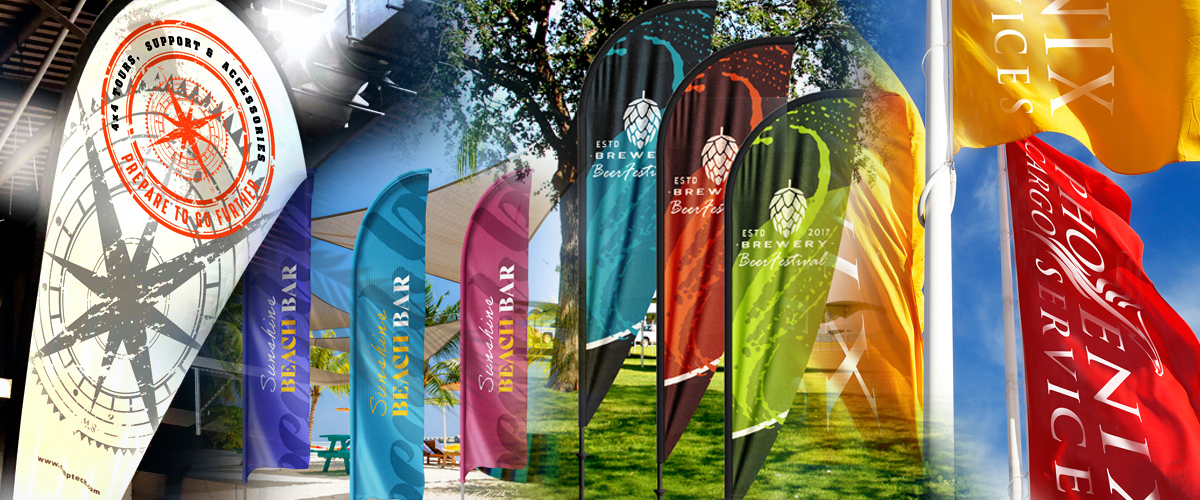
In the print industry, as with any other sector, responding to changing customer demand is key to staying ahead. So why are customers increasingly choosing soft signage?
In this post, we’ll look at how the signage market has changed over the past decade and consider the reasons for that shift.

How big is the soft signage market?
As recently as 2010, soft signage was still in its infancy. If you asked your print shop for big, bold, attention-grabbing signage, PVC banners, rigid boards and vinyl graphics would all have likely taken precedence over fabric.
Yet by 2024, the global soft signage printing market was valued at US$1.65 billion. By 2030, that valuation is set to almost double, with Europe set to be responsible for the lion’s share of that growth.
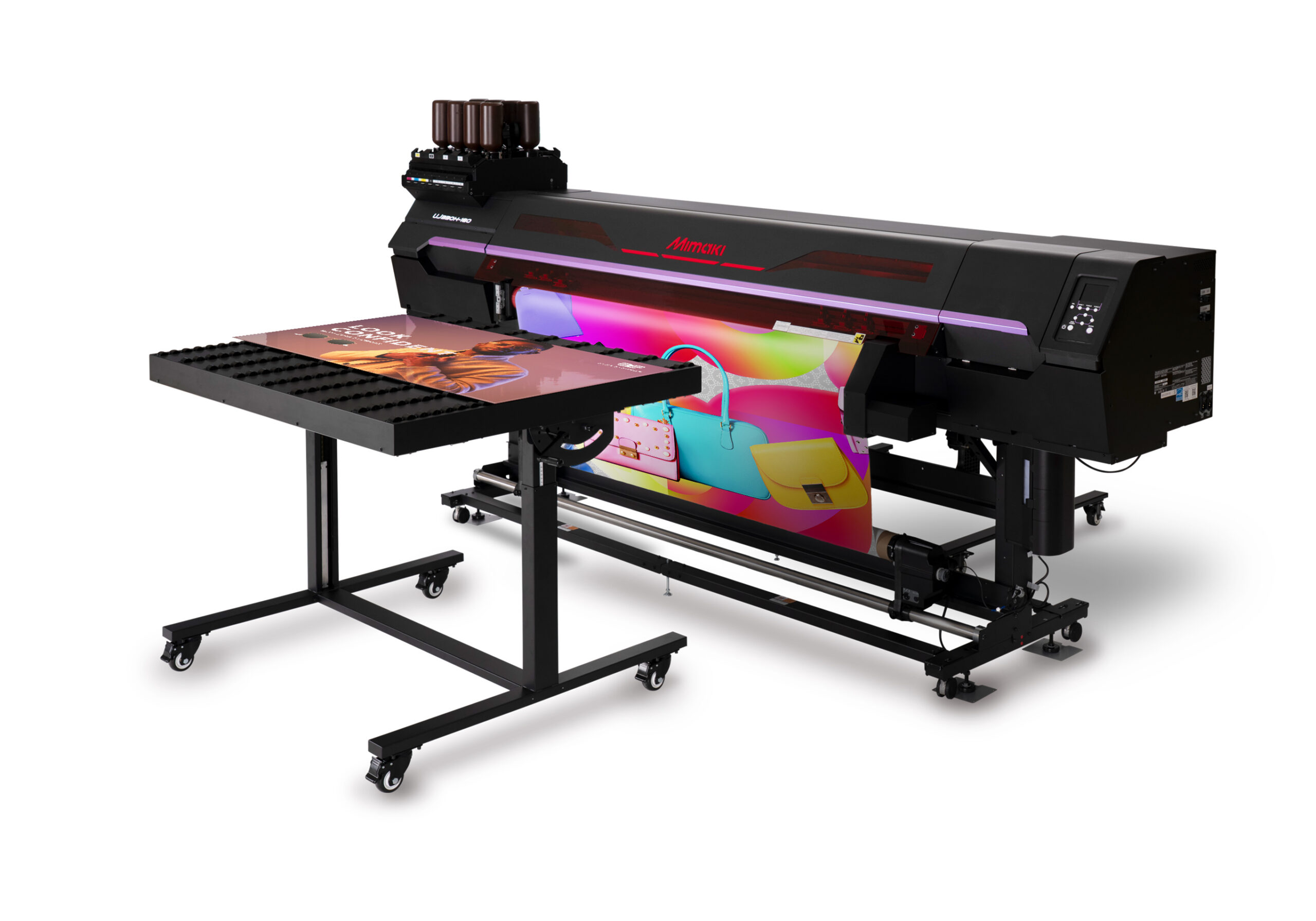
Why the change? In part, it’s down to technology. Advances in digital textile printing technology have removed many of the limitations that previously restricted adoption. Today’s textile graphics offer exceptional image quality, durability and consistency, making them not just a viable alternative to traditional signage in many applications, but the natural first choice.
Yet that’s not the whole story. Just because technology can do something, doesn’t mean customers will appreciate it (anyone remember 3D TVs?). So why have customers decided that soft signage has the hard edge over alternatives?

1. Reduced transport and storage costs
You’re running an event across several sites. Perhaps it’s a travelling retail promotion that’s journeying from mall to mall. Do that with rigid board signage and you need a van big enough to fit it all in, and another van to deliver it in the first place.
Even a PVC banner could be bulky (and heavy) to lug from demo to demo. But a textile display? All that takes is a foldaway frame and a light, portable fabric graphic that fits in a small bag. That means you reduce:
- Shipping costs
- Storage space requirements
- Risk of damage during transit
- Handling costs
- Events team frustration
2. Sensible sustainability
Reduced transport costs aren’t just a benefit to the bottom line, they’re good for the planet too. Reduced emissions aren’t the only way that fabric signage supports sustainability. There’s less reliance on PVC-based materials. And because soft signage enables customers to use the same frame and simply switch out the fabric graphic as campaigns change, there’s less waste and less materials consumption too.
3. Premium look
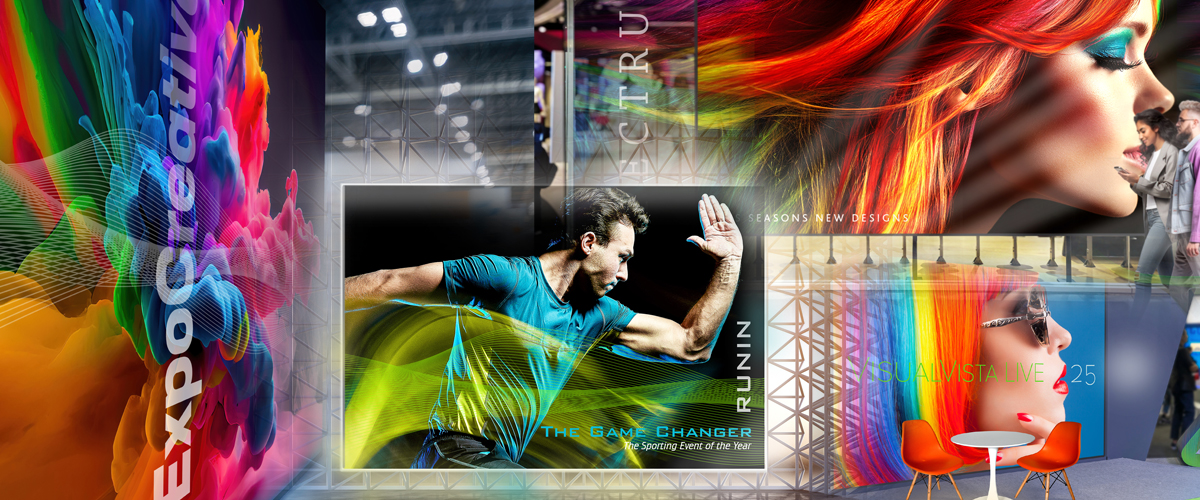
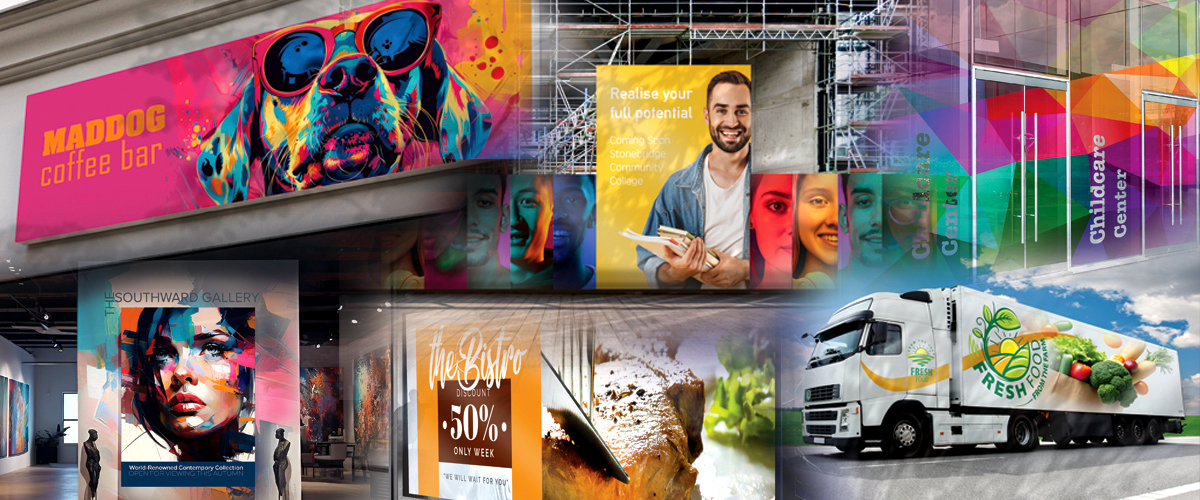
You can get a great finish from any print substrate. But customers love the vibrant, low reflection, sophisticated feel that soft signage delivers. High-resolution imagery, excellent colour consistency, premium finishing options: where once rigid formats beat what could be achieved on textiles, today, that’s simply not the case.
We’ve even seen instances of universities and office environments using soft signage to dampen the acoustics of a space, helping to make cavernous rooms a little less echoey while delivering prestige brand impact.
If you want your displays to feel high end, choosing textile signage is the best way to achieve it.
4. Easy installation
Attention spans aren’t what they were. So if you want to keep customers interested in your products, you need more campaigns that can be rolled out faster, with less downtime between one campaign being removed and the new one launching.
The simplicity of soft signage installation enables that. You don’t always need an installation team to come in and make the changes; your staff can replace the graphics themselves.
Inevitably, that helps lower costs.
5. Big impact
Back when textile signage was in its infancy, you’d have struggled to produce large format projects without a few too many visible joins.
Today, large-format textile printing capabilities have been transformed, so when you want the sort of seamless feature wall impact that delivers visual power at the scale of a museum atrium, airport terminal or expo hall, soft signage delivers.
Talk to Soyang
In many applications, the days of making a quality trade-off when choosing fabric are long gone.
Discover the difference fabric signage could make to your project in our textile collection, then talk to us.